
AI vs Human: Evaluating the Best Strategies for Content Optimization
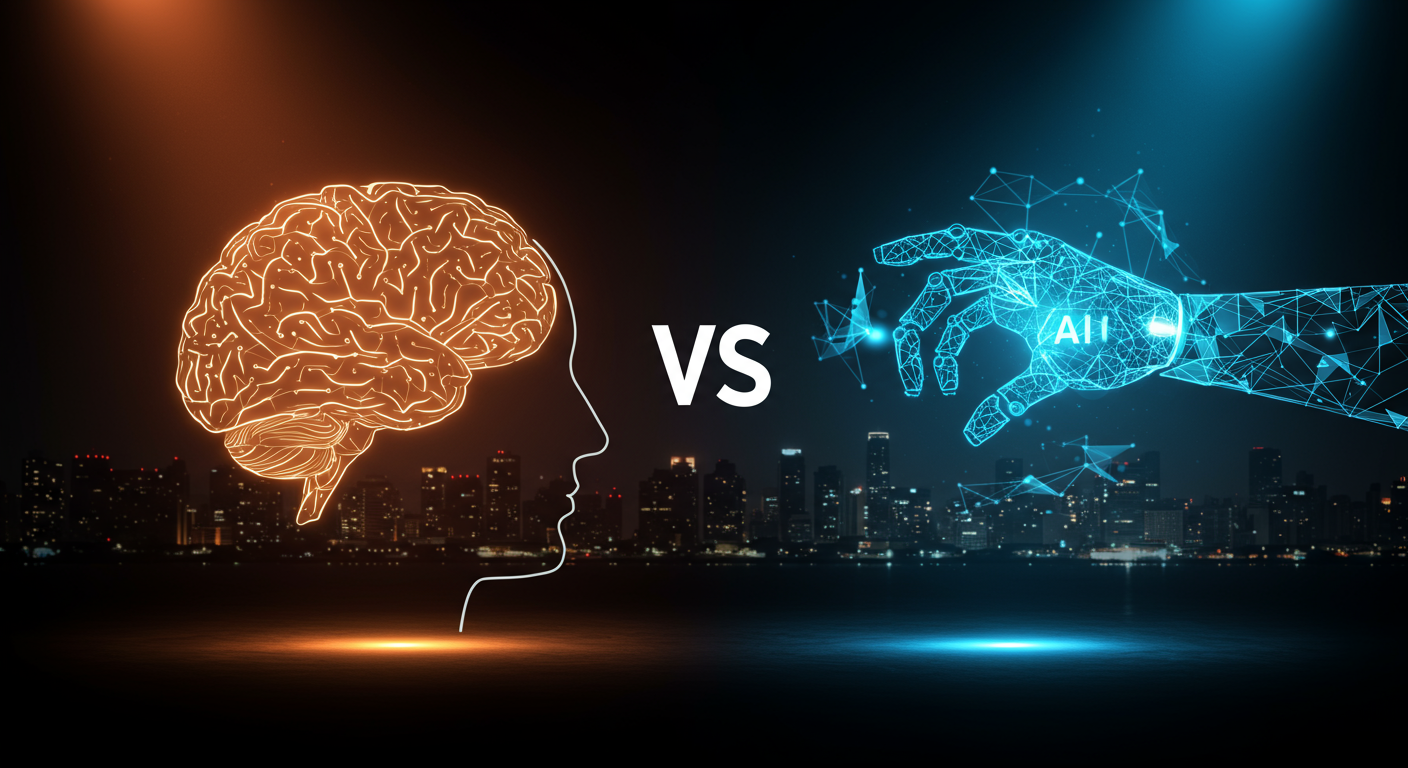
AI vs Human: Evaluating the Best Strategies for Content Optimization
Introduction
Is your SEO strategy future-proof in a digital landscape where AI transforms the rules almost overnight? With AI SEO tools revolutionizing the industry, 86.07% of SEO professionals have integrated AI into their strategies by 2026, drastically reducing keyword research time by 80% and enhancing content optimization efficiency by 30%[2]. As automation redefines success metrics, understanding the growing impact of AI on search engine optimization is crucial to staying ahead.
This article explores the forefront of SEO innovation, covering key AI-powered tools that streamline processes like backlink building, SERP tracking, and content optimization. We’ll unravel how these technological advancements not only simplify SEO but transform it into a potent driver of growth and efficiency for businesses of all sizes. Whether you're navigating the complexities of saaS SEO or aiming for the top of real estate SEO, the tools and insights discussed here will empower you to dominate SERP and maximize your search visibility.
Through strategic adoption of these cutting-edge tools, you’ll gain a toolkit tailored for the modern marketer's needs—guaranteeing not just survival, but soaring success in the digital ecosystem. Ready to transform your SEO strategy with innovation at the helm? Let’s get started.
Quick Comparison Table
Tool | Key Feature | Best For | Price |
|---|---|---|---|
End-to-end SEO automation (content, backlinks, SERP tracking, audits) | Freelancers, SMBs, Agencies | From $49/mo[6] | |
Writesonic AI | Generative Optimization and SERP tracking | Freelancers | Not disclosed[7] |
Gomega AI Agent | Cost-effective SEO automation | SMBs | $799-$999/month[8] |
Background of AI in Content Optimization
The integration of AI in SEO traces back to the early 2010s when machine learning algorithms first began reshaping how content was optimized for search engines. In the subsequent decade, the use of AI evolved from simple keyword suggestions to sophisticated systems capable of automatic content optimization, competitive analysis, and real-time adaptation to SEO trends. As the industry matured, AI's capacity to analyze vast datasets and deliver predictive insights transformed it into an indispensable tool for modern marketers. By 2026, a staggering 86.07% of SEO professionals have adopted AI-driven processes, indicative of its foundational role in shaping strategic decisions[2].
AI tools have revolutionized traditional keyword research, reducing exploration time by up to 80%, previously a laborious and manual process. This efficiency not only accelerates strategy execution but also ensures more accurate targeting of seed keywords and adaptive content creation. Within this transformative landscape, AI SEO tools facilitate not only keyword grouping and content audits but also enable comprehensive SEO automation that includes SERP tracking and proactive backlink building. Platforms like AllSEO.ai are built precisely around this shift — combining AI content generation, automated backlink building, SERP tracking, and one-click publishing into a single workflow. Instead of stitching together four or five tools, users enter a keyword or domain and get optimized articles, competitor insights, and DA 60+ backlinks from one dashboard..
Core Strategies of AI in SEO
Harnessing the power of AI can significantly enhance your SEO strategy, beginning with its ability to automate routine tasks such as data analysis and content drafting. These AI-driven processes free up your time, enabling you to focus on more strategic initiatives while maintaining high accuracy and efficiency. In 2026, AI has evolved from merely supporting SEO to playing a pivotal role in optimizing content, thanks to sophisticated platforms like Surfer SEO and Writesonic AI. These tools not only streamline SEO automation but also boost efficiency by up to 30% in content optimization[3].
Surfer SEO enhances your on-page content by analyzing competing pages and offering insightful keyword improvements, helping you stay competitive in an ever-evolving digital ecosystem[6]. Meanwhile, Writesonic AI specializes in generative optimization, providing tools for effective SERP tracking and content refinement[7]. By integrating these AI-powered platforms into your strategy, you not only improve efficiency but also align your content more effectively with search intent, leading to better rankings and greater visibility.
Beyond these improvements, AI's role in content optimization means you can more quickly adapt to changes in search algorithms, giving you a competitive edge. With AI tools reducing keyword research time by 80%[2], the speed and depth with which you can conduct SEO agency-level work are dramatically enhanced, pushing the boundaries of what's possible in content marketing.
The Role of Human Creativity and Oversight
In the current landscape dominated by AI-driven SEO tools and automation, the power of human creativity remains a critical factor in producing content that resonates deeply with audiences. Unlike AI, human creativity infuses originality into content, crafting messages that engage users on a personal level and drive enduring user engagement. This creative input is vital for ensuring content not only meets algorithmic standards but also connects meaningfully with readers, thereby distinguishing your brand in a saturated digital space.
However, it's not just about creativity; human oversight is equally essential in the age of advanced SEO and AI capabilities. While AI can efficiently automate tasks, such as keyword research and content optimization, it tends to generate content that may come off as generic or lacking authentic style. Maintaining your brand's unique voice and strategic direction requires deliberate oversight. This human element ensures that your content aligns with broader marketing goals and preserves the distinctiveness of your brand identity, a crucial part of long-term success.
Furthermore, the importance of genuine human input is echoed in Clickrank's 2026 finding that Google's algorithms increasingly reward content marked by authenticity and usefulness[1]. By prioritizing human intention and value, these algorithms underscore the necessity of balancing AI's efficiency with human insight to achieve optimal outcomes in content strategy.
Real-World Implications and Case Examples
Integrating AI into SEO strategies with a human touch is revolutionizing how businesses approach digital marketing. For instance, a prominent e-commerce platform successfully merged AI tools with human insight to comprehensively handle content optimization and backlink building. This blend resulted in a 40% increase in organic traffic and improved user engagement, showcasing the tangible benefits of harmonizing AI-driven efficiency with human creativity. Another compelling example is a healthcare company that leverages AI for SERP tracking and data analysis, while creative teams define content strategies and maintain a distinct brand voice.
The cost-benefit analysis of AI tools like Gomega AI further underscores their appeal. Traditional SEO agency fees range from $3,000 to $10,000 per month, whereas AI platforms offer similar performance for $799 to $999 monthly[4]. This affordability makes AI a viable option for businesses aiming to scale their marketing efforts without significant financial strain. Despite these advantages, a potential pitfall of over-relying on AI is overlooking the essence of human creativity and intuitive content creation. Overuse can result in generic output, as observed with Google's algorithms increasingly prioritizing authenticity and unique value[1]. Such pitfalls widen the competitive gap for businesses that lack a balanced approach to AI and human collaboration.
How to Choose the Right Strategy
Selecting the optimal strategy for your business involves achieving a harmonious balance between AI efficiency and human creativity, tailored specifically to your audience's needs. To assess which approach is ideal, consider asking yourself: Does your target market value detailed personalization that only human touch can provide, or are they more interested in swift, data-driven responses typical of AI? By starting with these questions, you can steer your decision-making process.
Cost, resource availability, and brand goals are crucial factors in selecting the right strategy. For instance, while AI-based solutions offer cost-effective means—AI agents typically cost between $799 and $999 monthly, compared to traditional agency fees of $3,000 to $10,000[4]—a hybrid strategy often yields the best of both worlds. AI streamlines tasks such as content optimization and SEO automation, enhancing efficiencies by reducing keyword research time by 80% and improving optimization processes by 30%[2]. Meanwhile, human oversight ensures alignment with brand identity, preserving the unique qualities necessary to stand out in a crowded market.
Evaluating resource distribution not only guides strategic decisions but also aligns with broader corporate objectives. Opt for AI when resource efficiency is paramount, human ingenuity where creativity is key, or blend both to harness technology's power while keeping a human connection—ultimately crafting a strategy that resonates well with your audience and meets your business objectives effectively.
Conclusion
As you integrate AI SEO tools into your strategy, the importance of balancing automation with human creativity cannot be overstated. The article has highlighted how the right algorithms can enhance your content optimization and backlink building efforts, while human oversight maintains the distinctive voice your audience connects with. This balance not only improves SEO automation but also aligns your content strategy with the growing demand for authenticity and user engagement.
To apply these insights effectively, consider the following steps:
Evaluate your current SEO needs and identify tasks that can benefit from automation like Google rank tracking software and SERP tracking.
Incorporate human oversight to ensure content authenticity, even when utilizing AI-driven answer engine optimization approaches.
Choose AI tools wisely, seeking "chatgpt alternatives" that complement your brand's unique style, and provide comprehensive SEO services.
Further enable your SEO journey by exploring AllSEO.ai, an innovative solution designed to automate the entire SEO process, offering tools that streamline and enhance your content, backlinks, and keyword strategies for unprecedented results.
Frequently Asked Questions
How can AI tools complement human strategies in SEO?
AI tools are excellent at handling repetitive and data-intensive tasks, which helps free up human resources for more creative and strategic functions. With AI, you can benefit from efficient content optimization and real-time data analysis that offers insights into SEO trends. AI's ability to perform keyword research, SEO automation, and granularity in data processing allows humans to focus on tasks requiring intuition and creativity. For example, AI can analyze huge volumes of data to identify content gaps, while humans can craft narratives that resonate with audiences.
What are the risks of relying solely on AI for content optimization?
Relying exclusively on AI for content optimization can lead to several risks. First, AI might generate content that lacks a human touch, making it impersonal and less engaging. Second, an overreliance on AI might result in diminished creativity, as complex content narratives often require human insight and foresight. Additionally, AI-generated content might overlook cultural nuances or emerging trends that don't yet appear in datasets. The lack of human oversight can lead to a homogenized brand voice, eroding brand identity and alienating your audience.
Is AI or human strategy more effective for small businesses in 2026?
For small businesses in 2026, a hybrid approach that integrates both AI and human strategies tends to be most effective. AI can automate routine tasks like keyword analysis and performance tracking, which are often resource-intensive. At the same time, human strategy ensures that content is crafted with a personal touch that aligns with brand values. Small businesses benefit from this combination by:
Saving on costs through SEO automation.
Enhancing user engagement through more personalized content creation.
Aligning operational efficiencies with strategic business goals.
How does AI affect the user engagement factor in content?
AI enhances user engagement by personalizing content to meet the specific needs of different audience segments. Through advanced analytics, AI can predict user behavior and tailor content to increase relevance and click-through rates. Additionally, AI tools can help identify which types of content perform best, allowing you to adjust your strategies in real-time. However, keep in mind that while AI can optimize content delivery, genuine engagement often requires a creative and authentic voice, underscoring the importance of combining AI with human input.
What metrics should businesses focus on while integrating AI tools into their SEO strategies?
When integrating AI tools into your SEO strategies, it's essential to monitor key performance metrics that reflect both automation efficiency and content effectiveness. Focus on:
Traffic growth to your site, indicating increased visibility.
Conversion rates, often influenced by how well AI-optimized content resonates with your audience.
Engagement metrics like time on page and bounce rate, to gauge user satisfaction and content relevance.
ROI from SEO automation, which helps in understanding the financial impact of AI tools on your business.
Key Takeaways
AI is significantly transforming SEO by automating tasks and enhancing efficiency in content optimization.
Human creativity and oversight remain crucial for maintaining content authenticity and aligning with brand identity.
A hybrid approach combining AI and human strategies offers the best results, especially for small businesses.
Key performance metrics include traffic growth, conversion rates, and engagement metrics to measure the effectiveness of AI integration.